
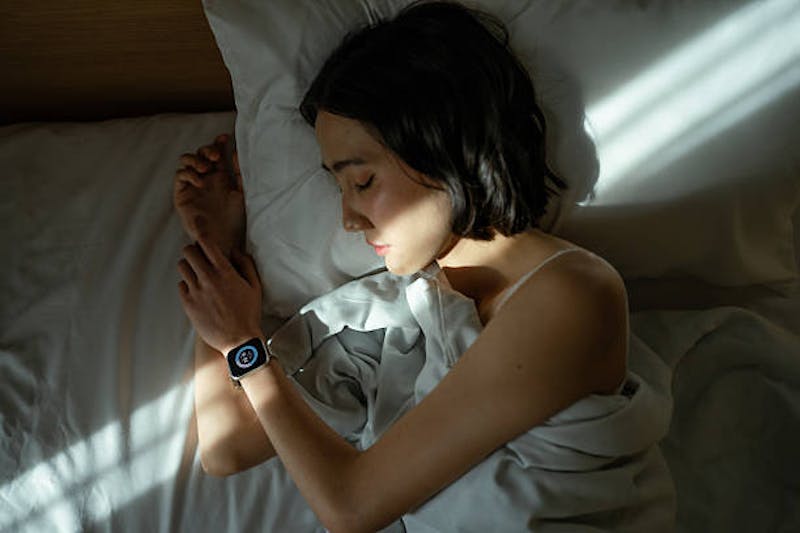
Snoring is more than a nighttime annoyance. It can reflect airway obstruction, fragmented sleep, or obstructive sleep apnea. At Texas ENT Specialists, also known as TENTS, our board-certified otolaryngologists have provided comprehensive ENT and sleep care across Texas since 1997. With 15 locations and a collaborative physician network, we evaluate snoring through detailed airway assessment and evidence-based testing, not assumptions. When accuracy is the priority, polysomnography, an in-lab sleep study, is significantly more reliable than wearable sleep trackers for identifying the cause and medical significance of snoring. Consumer devices can highlight trends, but they cannot diagnose sleep apnea or measure respiratory compromise with clinical precision. In this blog, we clarify how each option works and when medical testing becomes essential.
How Wearable Sleep Trackers Measure Snoring
Wearable devices estimate sleep patterns using indirect data collected from sensors. They are convenient and widely accessible, but their analysis is limited.
- Sound monitoring: Built-in microphones detect nighttime noise and classify it as snoring based on sound intensity and vibration patterns.
- Movement tracking: Accelerometers record body position and restlessness, which may suggest disrupted sleep.
- Heart rate variability: Algorithms estimate sleep stages using pulse data rather than direct neurologic measurement.
These tools can indicate whether snoring is frequent or worsening over time. However, they cannot measure airflow limitation, confirm breathing pauses, or detect drops in blood oxygen levels. For patients concerned about sleep apnea, that distinction is critical.
What Polysomnography Evaluates
Polysomnography remains the gold standard for diagnosing sleep disorders because it measures physiologic function directly. Conducted under medical supervision, it provides objective data about both breathing and brain activity.
- Brain waves: Electroencephalogram monitoring confirms true sleep stages and arousals.
- Airflow and respiratory effort: Sensors detect apneas, hypopneas, and subtle airway obstruction.
- Oxygen saturation: Continuous monitoring identifies clinically significant desaturation events.
- Muscle and eye activity: These measurements help differentiate sleep phases and detect abnormal movements.
By capturing comprehensive respiratory and neurologic data, polysomnography determines whether snoring is isolated or part of obstructive sleep apnea. That level of precision directly informs treatment decisions.
Why Diagnostic Accuracy Matters
Snoring occurs when relaxed tissues of the throat narrow the airway, creating vibration as air passes through. While occasional snoring is common, persistent or loud snoring may signal structural narrowing, nasal obstruction, excess soft tissue, or sleep apnea.
Relying exclusively on a wearable device can delay appropriate intervention. A tracker cannot evaluate anatomical contributors such as a deviated septum, enlarged tonsils, turbinate hypertrophy, or tongue base collapse. It also cannot prescribe or calibrate therapy.
At Texas ENT Specialists, evaluation may include a comprehensive head and neck examination, nasal endoscopy when indicated, and formal sleep testing. If obstructive sleep apnea is diagnosed, treatment options can include CPAP therapy, oral appliance coordination, medical management, or procedural solutions tailored to the patient’s airway anatomy and long-term health goals.
When Wearables Can Still Be Useful
Although not diagnostic tools, sleep trackers may offer supplemental insight when used appropriately.
- Pattern recognition: Monitoring trends in snoring frequency over time.
- Behavioral awareness: Identifying how alcohol use, sleep position, or weight fluctuations affect symptoms.
- Early alerting: Prompting patients to seek medical evaluation when snoring intensifies or daytime fatigue develops.
Used in this supportive role, wearable devices can complement but never replace comprehensive medical assessment.
Schedule a Comprehensive Snoring Evaluation
When comparing wearable sleep trackers to polysomnography, the answer is clear. For medical accuracy and definitive diagnosis, in-lab sleep testing remains superior. Identifying whether snoring is benign or linked to obstructive sleep apnea protects not only sleep quality but also cardiovascular and long-term health.
At TENTS, our experienced physicians combine advanced diagnostics with personalized treatment planning to deliver lasting relief. If you or your partner are concerned about persistent snoring, schedule a consultation with Texas ENT Specialists today. A thorough evaluation is the first step toward safer breathing and restorative sleep.