
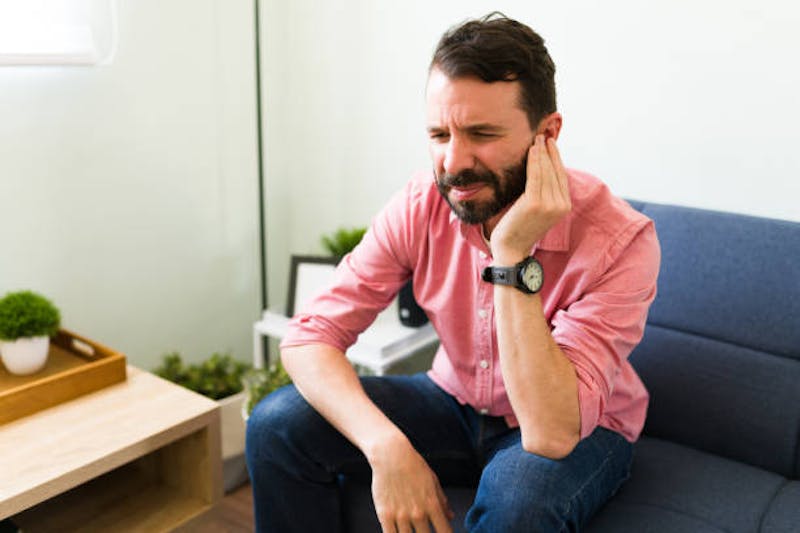
Excessive screen time and headphone use are contributing to rising rates of tinnitus, particularly among younger adults. The constant audio stimulation from devices, combined with high-volume headphone listening, damages delicate inner ear structures and triggers persistent ringing, buzzing, or whooshing sounds.
Texas ENT Specialists' audiologists are seeing more patients than ever experiencing tinnitus linked to digital device habits.
In this blog, we will discuss how screen time contributes to tinnitus, the role of headphones, and strategies to protect your ears in our increasingly digital world.
Understanding Tinnitus in the Modern Era
Tinnitus affects approximately 15% of Americans, and research from the Centers for Disease Control and Prevention indicates rates are climbing among younger populations.
Modern contributing factors include:
- Prolonged headphone use: Extended listening sessions, even at moderate volumes, fatigue auditory structures.
- Unsafe volume levels: Many users exceed the World Health Organization's recommended 85-decibel limit.
- Earbuds vs. over-ear: In-ear devices deliver sound directly to the eardrum with less ambient noise buffering.
- Cumulative damage: Daily exposure compounds over time, leading to permanent changes.
How Screen Time Stresses Your Auditory System
Digital devices affect your ears beyond just volume concerns.
Screen-related auditory stressors include:
- Constant audio stimulation: Background sounds from videos, games, and notifications keep your auditory system perpetually active.
- Blue light and stress response: Screen exposure triggers cortisol release, which can worsen tinnitus perception.
- Poor sleep quality: Late-night screen use disrupts sleep, and fatigue intensifies tinnitus symptoms.
- Muscle tension: Neck and jaw tension from device posture affects the auditory pathway.
Headphone Habits That Increase Tinnitus Risk
Texas ENT Specialists identifies several specific behaviors that significantly increase your risk of developing tinnitus and hearing damage. Listening at volumes above 60% of your device's maximum output is one of the most common culprits, and keeping volume below this threshold substantially reduces your risk.
Extended listening sessions also pose a serious threat, as using headphones for more than 60 minutes without breaks strains your auditory structures and prevents necessary recovery time. While noise-canceling headphones are protective in loud environments, over-reliance on this technology may actually cause you to notice internal sounds more acutely, potentially heightening tinnitus awareness.
Perhaps most overlooked is the habit of falling asleep with earbuds in place, which exposes your ears to continuous audio stimulation throughout the night and prevents the auditory rest your ears need to recover from daily sound exposure.
Protecting Your Ears in a Digital World
Smart strategies for prevention include:
- Follow the 60/60 rule: Listen at no more than 60% volume for no longer than 60 minutes at a time.
- Choose over-ear headphones: They provide better sound quality at lower volumes than earbuds.
- Take listening breaks: Give your ears 10-15 minutes of quiet for every hour of headphone use.
- Use volume-limiting apps: Many smartphones offer settings to cap maximum output.
- Schedule screen-free time: Allow your auditory system complete rest periods daily.
When to Seek Professional Help
If you experience persistent ringing or buzzing that lasts more than a few days, it's time to schedule an evaluation with Texas ENT Specialists. You should also seek care if you develop tinnitus after exposure to loud noise that doesn't resolve within 24 hours, as this may indicate damage that requires professional attention.
Accompanying hearing loss, such as difficulty understanding speech or finding yourself needing higher volumes on devices and televisions, warrants prompt assessment. Tinnitus that disrupts your sleep by interfering with your ability to fall asleep or stay asleep throughout the night should not be ignored, as quality rest is essential for overall health.
Additionally, if you're experiencing anxiety or depression related to your tinnitus symptoms, the specialists at Texas ENT Specialists can help address both the physical condition and connect you with resources to manage the emotional impact.
Expert Tinnitus Care at Texas ENT Specialists
Digital-age tinnitus requires modern solutions from experienced ENT doctors. The audiology team at Texas ENT Specialists offers comprehensive tinnitus evaluations, including advanced diagnostic testing to identify contributing factors and personalized management strategies. From sound therapy to lifestyle modifications, our experts help patients throughout Houston find relief from ringing ears.
Don't let tinnitus control your life. Schedule your consultation with Texas ENT Specialists today and discover effective solutions for the digital age.