
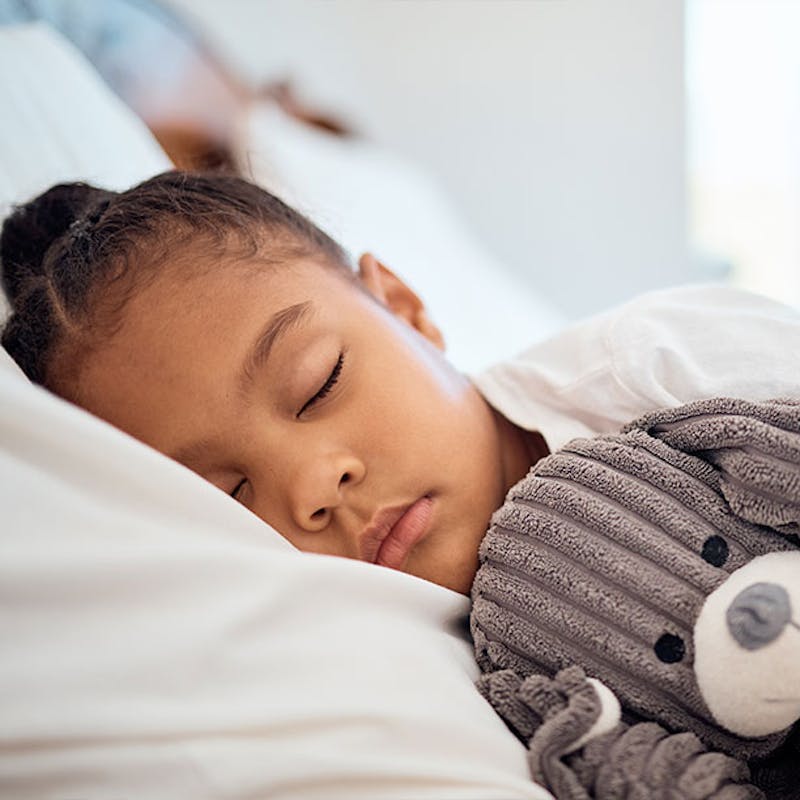
Is Your Child's Snoring Normal? What Every Parent Should Know About Healthy Sleep
A soft snore after a long day or during a cold probably isn't cause for concern. But if your child snores most nights, breathes loudly while sleeping, or seems restless in bed, it's worth paying attention.
Many parents are surprised to learn that regular snoring isn't considered a normal part of childhood. In some cases, it can be a sign that your child isn't getting the healthy, restorative sleep they need to grow, learn, and thrive.
The good news is that many causes of chronic snoring are treatable, and an evaluation can help determine whether your child would benefit from additional care.
When Is Snoring Normal?
Occasional snoring is common. Children may snore temporarily when they have:
-
A cold
-
Seasonal allergies
-
Nasal congestion
-
A temporary upper respiratory infection
As these conditions improve, the snoring usually resolves as well.
If your child snores three or more nights each week, however, it's worth discussing with your pediatrician or one of our
Signs That Snoring May Be More Than "Just Snoring"
Watch for these common signs while your child sleeps:
-
Loud or frequent snoring
-
Mouth breathing
-
Restless sleep or tossing and turning
-
Pauses in breathing
-
Gasping or choking sounds
-
Sweating during sleep
-
Sleeping in unusual positions, such as with the neck extended
Not every child will have all of these symptoms, but persistent snoring combined with any of these signs deserves evaluation.
Signs You May Notice During the Day
Poor-quality sleep doesn't always look like tiredness. According to the
-
Difficulty paying attention
-
Irritability or mood changes
-
Hyperactivity
-
Trouble waking up in the morning
-
Morning headaches
-
Daytime sleepiness
-
Difficulty concentrating at school
Parents are often surprised to learn that children with disrupted sleep sometimes appear more active, not less.
What Causes Snoring in Children?
Several conditions can narrow the airway during sleep. The most common include:
Enlarged Tonsils and Adenoids
These tissues sit in the back of the throat and behind the nose. When enlarged,
Chronic Nasal Congestion
Sleep-Disordered Breathing
Some children develop partial blockage of the airway during sleep, leading to disrupted sleep quality and, in some cases,
How Does an ENT Specialist Evaluate Snoring?
Every child is different, so the evaluation is tailored to your child's symptoms. Your visit may include:
-
A discussion of your child's sleep habits and symptoms
-
A physical examination of the nose, mouth, throat, and neck
-
Evaluation of the tonsils and adenoids
-
Review of growth, development, and medical history
In some cases, additional testing, such as a
What Are the Treatment Options?
Treatment depends on the underlying cause. Options may include:
-
Observation and monitoring
-
Allergy treatment
-
Nasal medications
-
Addressing chronic congestion
-
Removal of enlarged tonsils and/or adenoids when appropriate
-
Referral for a sleep study if indicated
Many children experience significant improvements in sleep quality, daytime energy, behavior, and overall well-being once the underlying issue is treated.
When Should I Call for an ENT Evaluation?
Consider scheduling an evaluation if your child:
-
Snores three or more nights each week
-
Breathes through their mouth most of the time
-
Has pauses in breathing during sleep
-
Sleeps restlessly
-
Frequently wakes during the night
-
Seems unusually tired, irritable, or has difficulty focusing during the day
-
Has enlarged tonsils along with snoring or sleep concerns
You don't have to wait until symptoms become severe to ask questions. Sometimes the answer is simply reassurance. Other times, identifying and treating the cause of disrupted sleep can make a remarkable difference in your child's health, behavior, and quality of life.
Helping Kids Sleep—and Thrive
Healthy sleep is essential for growing minds and bodies. If you've been wondering whether your child's snoring is something to worry about, our ENT team is here to help.